
Get off gas
Why get off gas?
A simple, step-by-step approach to replacing gas appliances with efficient electric alternatives and removing the gas connection when you no longer need it.
Switching to efficient electric appliances can help reduce energy bills over time, improve indoor air quality by removing gas combustion from inside the home, and create a healthier, more comfortable home environment. It also further reduces household emissions when powered by rooftop solar and as the electricity grid becomes more renewable.
Savings depend on your home, appliance choices, tariffs and how you use energy. You can make the change gradually, as appliances need replacing and your budget allows.
A practical step-by-step plan
- Make a list. Identify every gas appliance in your home, including hot water, cooking, space heating and any gas fireplace or room heater.
- Plan the order. Prioritise appliances that are old, inefficient, unreliable or nearing replacement. Compare the full installed cost, not just the appliance price, and check whether any incentives are available.
- Choose an electric alternative. These are common options to discuss with a qualified installer (see the table below).
- Check your electrical capacity. Ask a licensed electrician whether your switchboard, wiring and circuits can support the new appliances. Upgrades or dedicated circuits may be needed.
- Use licensed trades. Have a licensed gasfitter/plumber safely disconnect appliances and make redundant pipework safe. Do not tamper with the gas meter or distributor pipework.
- Finish appliance changes first. When you’re sure the household no longer needs gas, contact your gas retailer to ask about the next steps and total cost.
| Appliance | Electric alternative | What to consider |
|---|---|---|
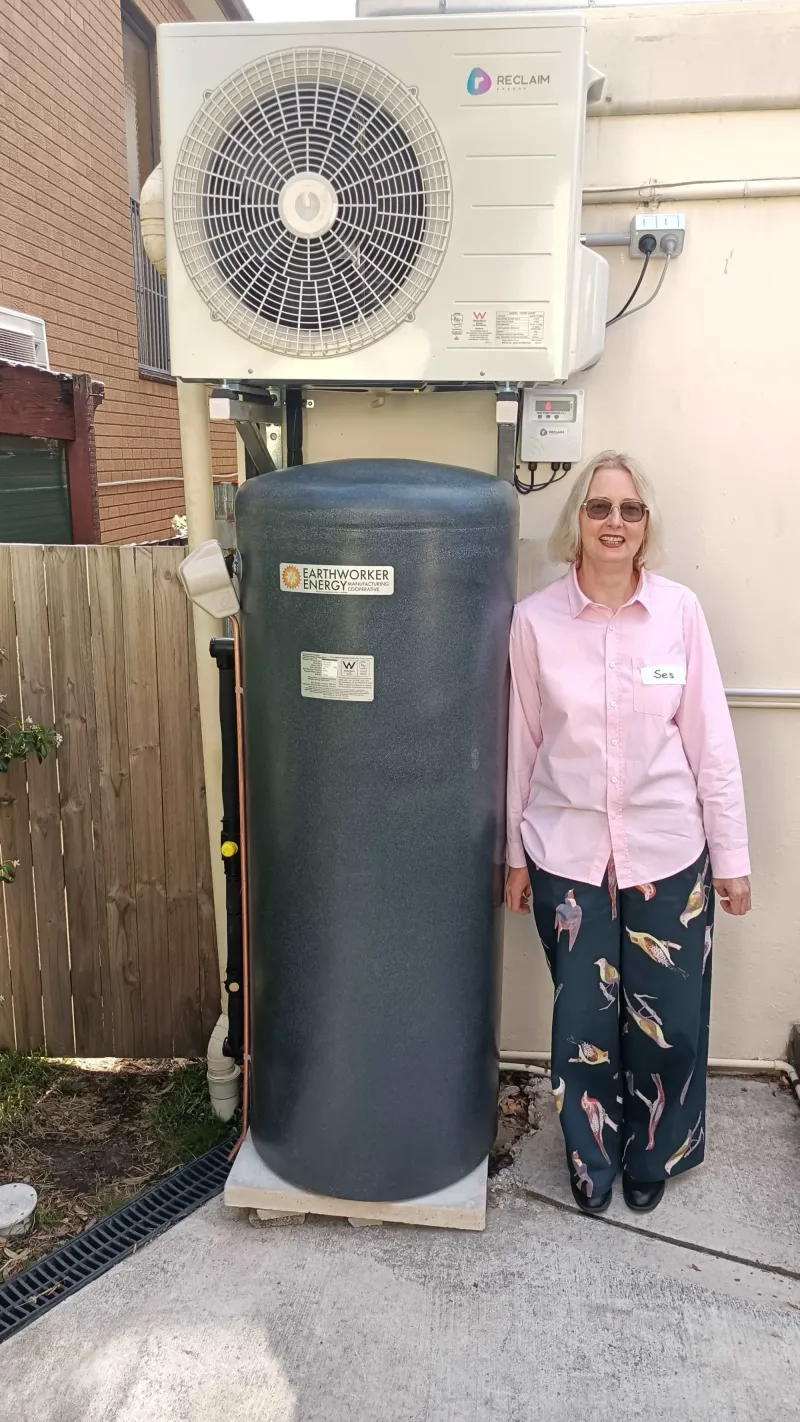
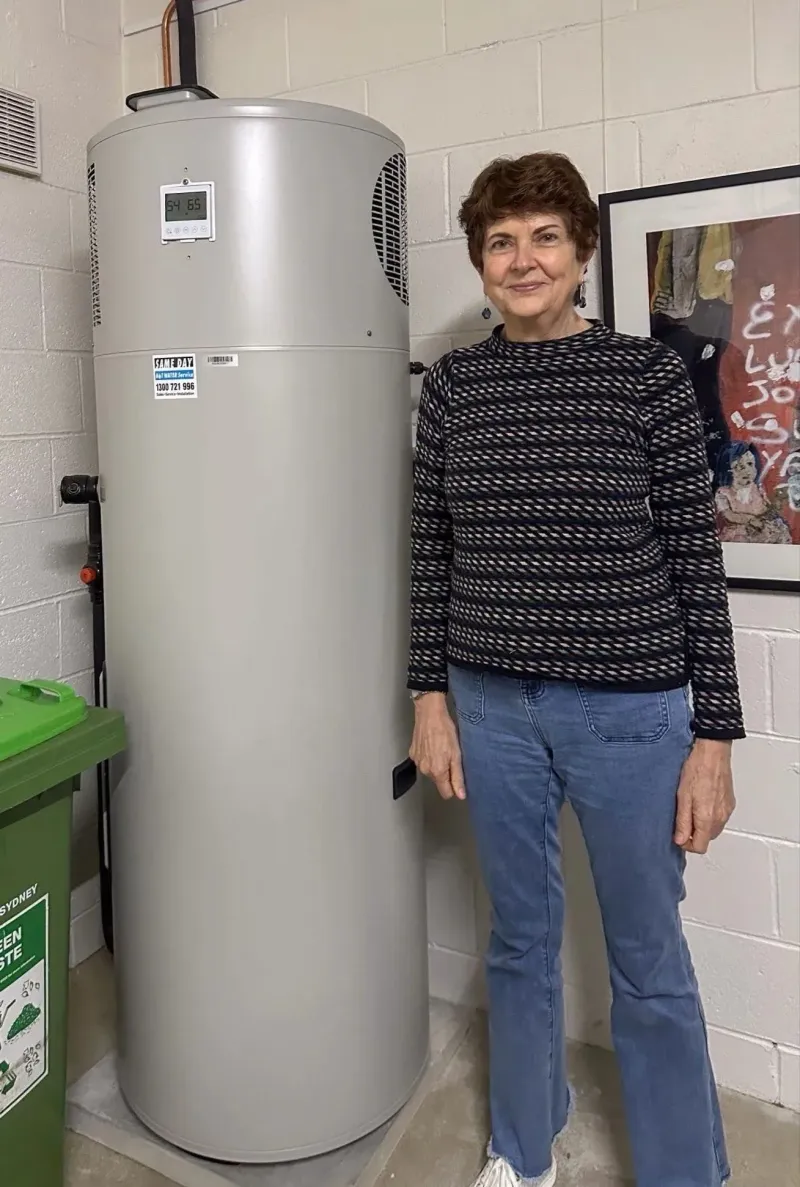
| Gas hot water | Heat pump hot water system | Heat pumps use electricity to move heat rather than generate it directly. See hot water heat pumps. |
| Gas cooktop | Induction cooktop | Induction is responsive, easy to clean and avoids indoor combustion emissions from gas cooking. See induction cooktops. |
| Gas space heating | Reverse-cycle air conditioning | Can provide efficient heating and cooling in one system. See heating and cooling. |
| Gas fireplace / room heater | Reverse-cycle air conditioning | Choose an option that suits the room and comfort needs. |
IWCE can help you understand your options and connect you with a trusted local installer. Contact us to get started today.
When you’re ready to remove the gas connection
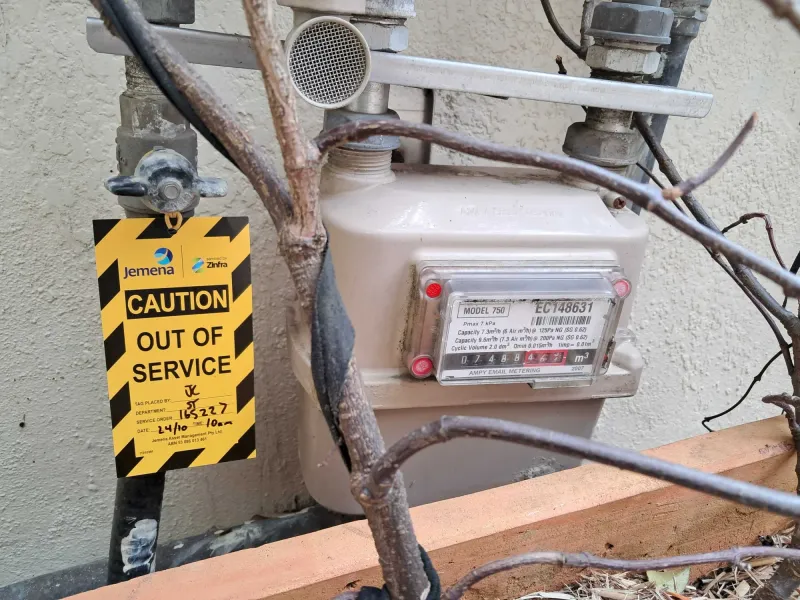
Once all gas appliances have been replaced and you no longer need gas, you can ask your retailer about a temporary disconnection or permanent abolishment.
Temporary disconnection or permanent abolishment?
| Temporary disconnection | Permanent abolishment |
|---|---|
| For a household that may want gas again later. The meter and pipework remain, and the supply is turned off at the meter. | For a household that no longer needs gas. The supply is isolated at the street main and the gas meter permanently removed. The service pipe generally remains in place. |
| Ask your retailer whether supply availability charges will stop and what conditions apply. | Ask your retailer to confirm the property-specific price and arrange the work. |
Published abolishment network charges (Jemena)
Published network tariffs 1 July 2026–30 June 2027.
Jemena is the company who owns and manages the gas distribution network that covers the Inner West.
For a standard residential connection, Jemena’s published network tariff is:
| Situation | Network charge |
|---|---|
| No current or anticipated redevelopment, renovation or other construction works | $284.99 inc. GST |
| Where the reduced charge above does not apply | $1,368.54 inc. GST |
| All other abolishment types | Application assessed and individually quoted |