
Solar and batteries
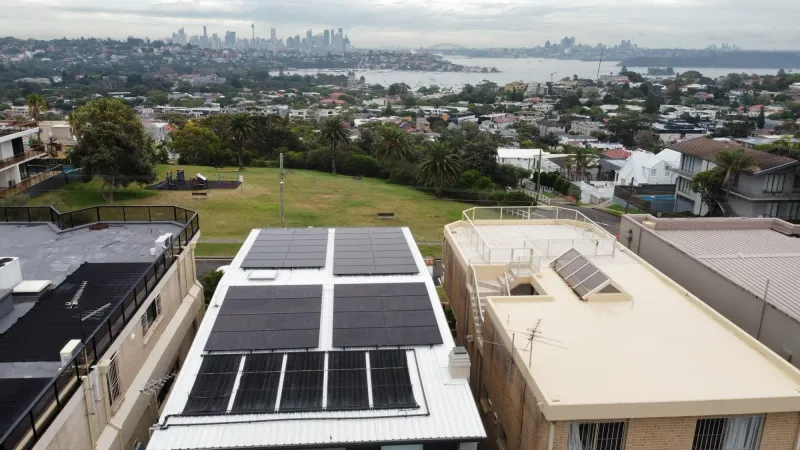
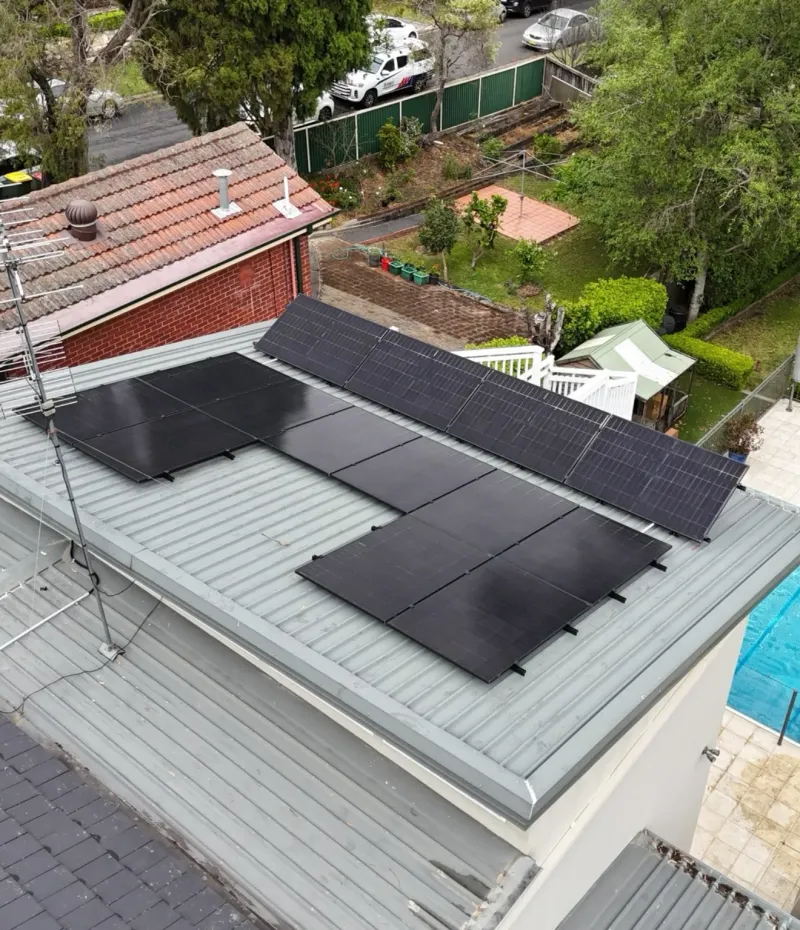
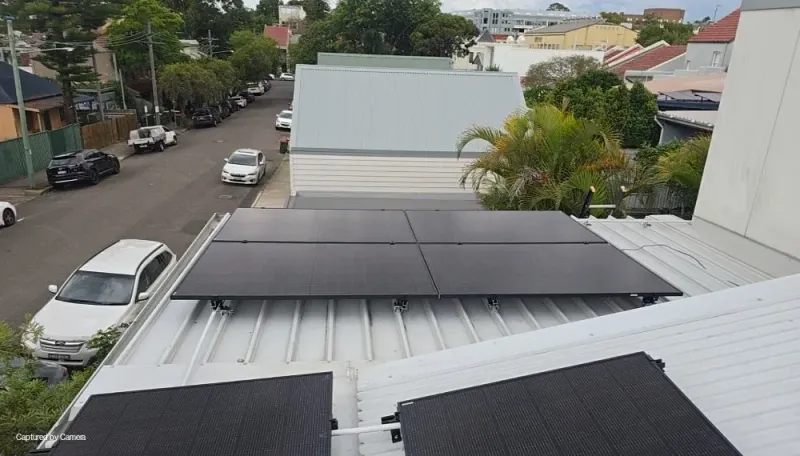
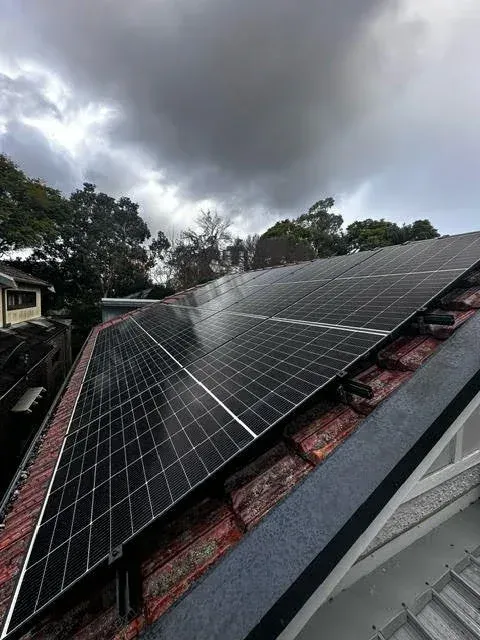

Rooftop solar
Why install rooftop solar?
Solar panels convert sunlight into electricity, reducing your reliance on grid power. Once installed, solar pays for itself over time via savings to your electricity bills.
Solar becomes even more valuable when paired with things like electric vehicle (EV) charging, a heat pump hot water system, or a home battery - using your own power instead of buying it from the grid.
A rooftop solar system is worth considering if you:
- Have suitable roof space with reasonable sun exposure.
- Use a decent amount of electricity during the day, or want to shift usage to daytime.
- Want to reduce your exposure to rising electricity prices.
- Want to reduce your household’s environmental footprint.
- Own the house.
A few basics
Solar systems involve technical terms you’ll come across - here’s a quick guide:
- Panels: These sit on your roof and generate DC (direct current) electricity from sunlight.
- Inverter: This converts that DC electricity into AC (alternating current), which is the type of electricity your home and the grid use.
- kW (kilowatts): This is a unit of power, used when describing things like size of your panel array and the capacity of your inverter.
What size system do I need?
The right system size depends on your roof, your household’s electricity usage, and your budget. Systems are usually described by their total panel capacity in kW.
- Small systems (around 3 to 6.6kW): Suitable for smaller households or homes with limited roof space or lower daytime electricity use.
- Mid-size systems (around 6.6 to 10kW): A common size for many households, especially where daytime usage is moderate to high, or future electrification (EV, home battery) is planned.
- Larger systems (10kW+): Worth considering for larger households, high daytime energy use, or where you want to maximise self-generation ahead of adding a home battery or EV charger.
Where will the panels go?
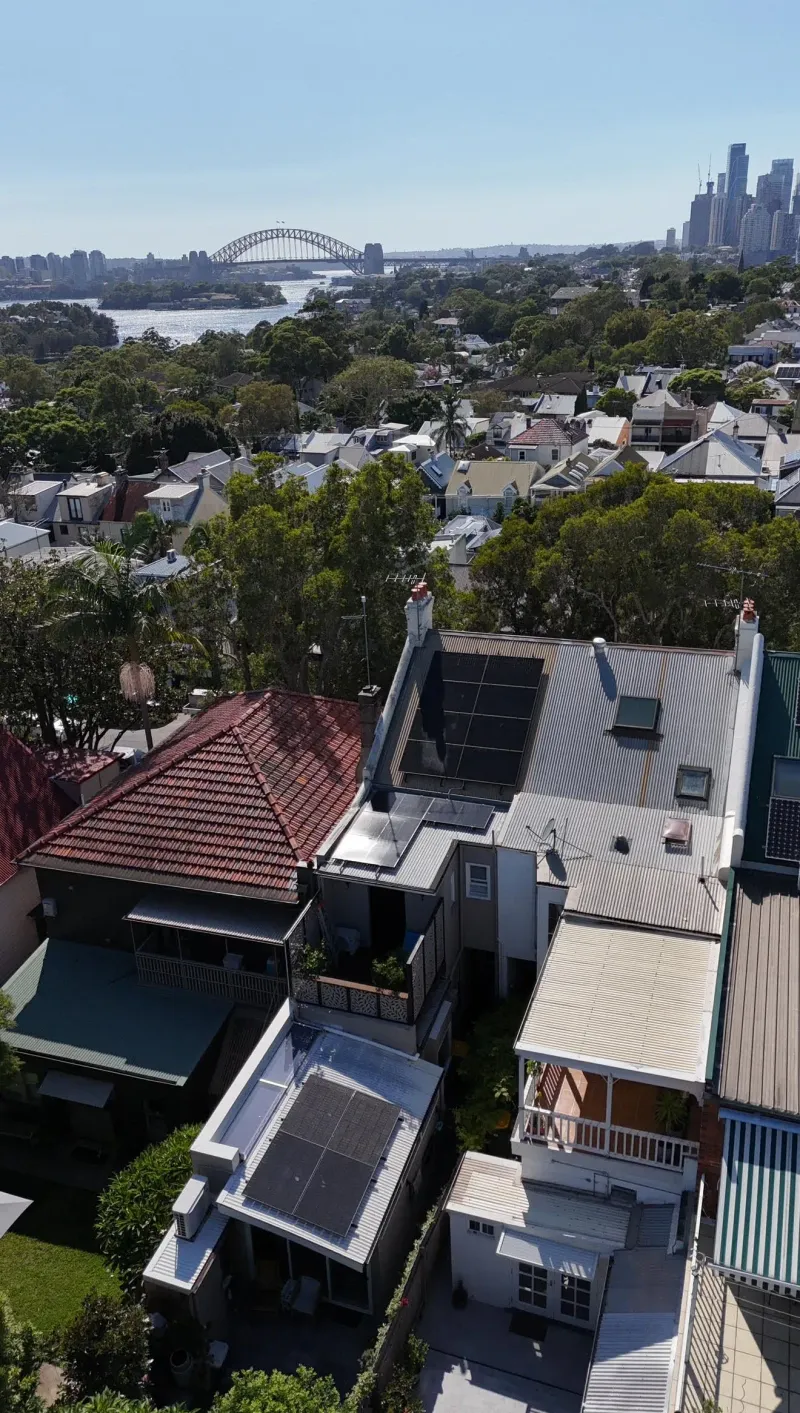
Installing rooftop solar in the Inner West can be more difficult than in suburban Sydney - which is why IWCE insists our installers do site visits before issuing a quote. The installer will consider:
- Roof orientation and pitch
- Shading from trees or neighbouring buildings
- Roof condition and material
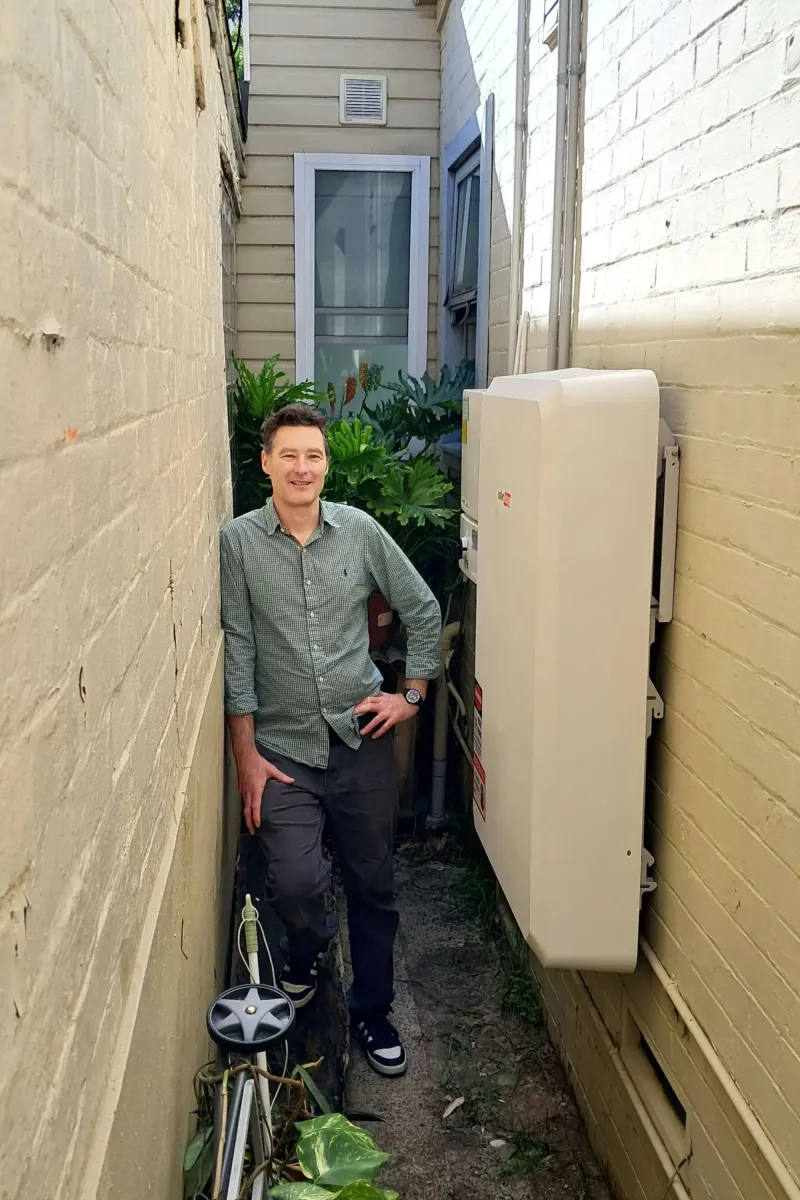
- Where the inverter will be located.
What about home batteries and EV charging?
Rooftop solar generates power during the day, but many households use more electricity in the evening (typically at least half their electricity). A home battery stores excess solar for use after the sun goes down (see Home batteries below).
If you’re also planning an EV, think of it as a battery on wheels. Charging it during the day means you’re storing your own solar power for later use, instead of buying power from the grid. See our EV charging page.
What might it cost?
Indicative costs, after government rebates, excluding a battery:
- Small system (3-6.6kW): around $5,000 to $7,000.
- Mid-size system (6.6-10kW): around $7,000 to $10,000.
- Larger system (10kW+): around $10,000+.
The final cost depends on system size, panel and inverter quality, roof complexity and any additional switchboard work required. These are prices after the national solar rebate.
Home batteries
Why install a home battery?
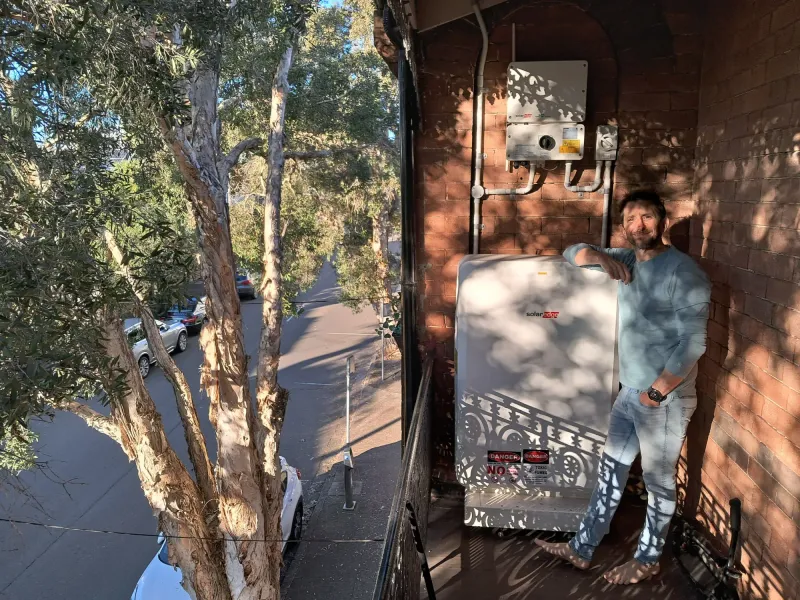
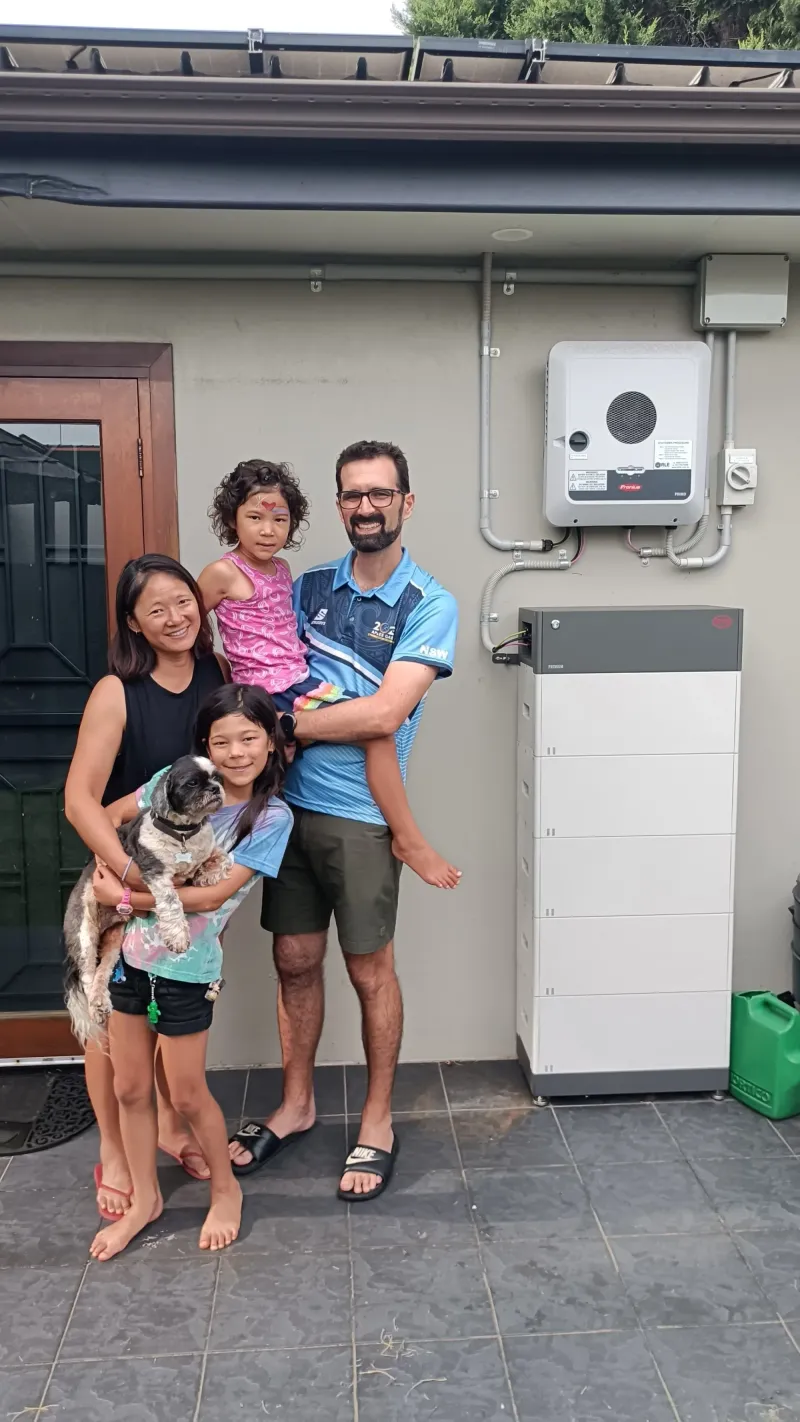
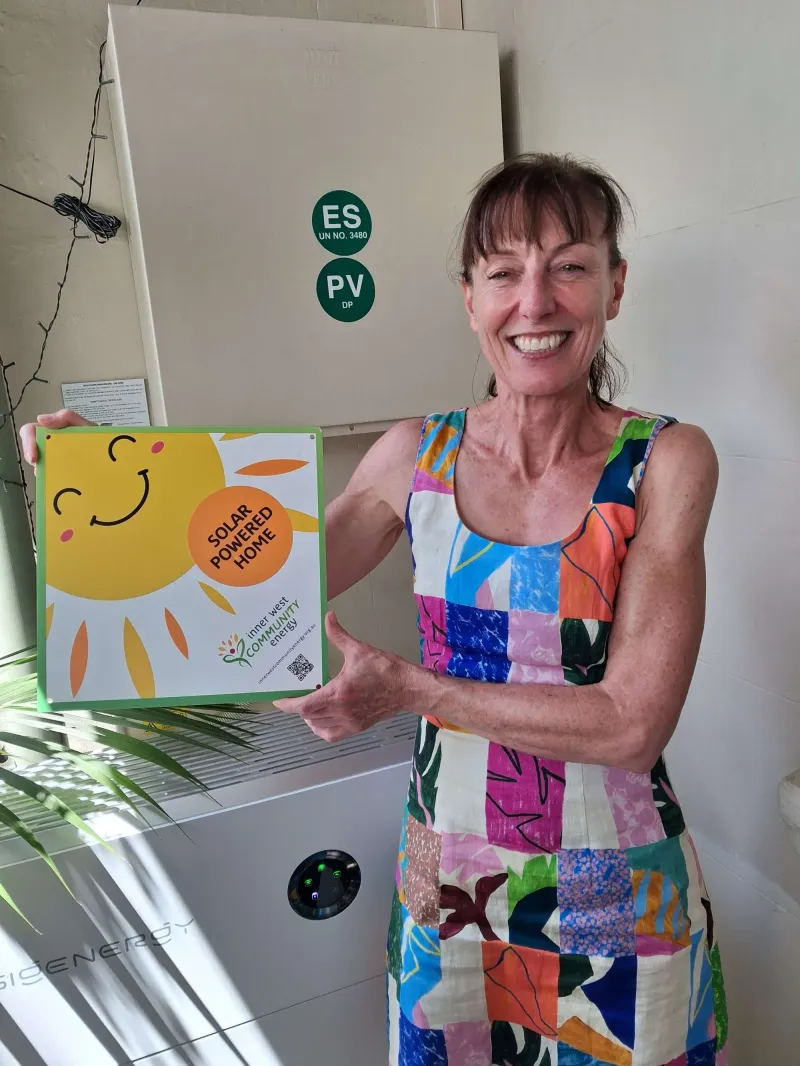
A home battery stores excess solar electricity generated during the day so you can use it later - in the evening, overnight, or (with the right setup) during a power outage. This reduces how much power you buy from the grid. Batteries are most valuable when paired with a rooftop solar system.
A home battery is worth considering if you:
- Already have solar and export a lot of unused power to the grid.
- Use significant electricity in the evening or overnight.
- Are on an electricity plan with expensive peak periods.
- Want backup power during outages.
- Want to reduce your household’s environmental footprint.
A few basics
Batteries involve a few technical terms you’ll come across a lot - here’s a quick guide:
- Usable capacity (kWh): This is how much energy the battery can actually store and use, measured in kilowatt-hours. It’s usually a bit lower than the battery’s total capacity.
- Power rating (kW): This describes how quickly the battery can charge or discharge - a unit of power, not to be confused with kWh (a unit of stored energy).
- Backup circuit: Some batteries can power selected circuits in your home during a blackout, but only if this is specifically included in the installation. Whole-home backup is less common than selected circuit backup.
What size battery do I need?
The right battery size depends on your solar system, your household’s evening and overnight usage, and your budget. Batteries are usually described by their usable storage capacity in kWh.
- Smaller batteries (around 5-10kWh): Suitable for smaller households or those wanting to cover part of their evening usage.
- Mid-size batteries (around 10-15kWh): A common size for many households, covering a good share of typical evening and overnight use.
- Larger batteries (15kWh+): Worth considering for larger households and high evening usage.
Where will the battery go?
The battery’s location affects installation cost and, in some cases, safety requirements. The installer will consider things like:
- Available space (garage, outdoor wall, utility area).
- Distance from the switchboard and existing solar inverter.
- Protection from direct sunlight and high temperatures.
- Ventilation requirements.
- Whether the battery is compatible with your existing solar inverter, or requires a new one.
What about existing solar systems?
Some batteries are only compatible with certain inverter brands, or may need an additional inverter or what’s called a “hybrid” inverter to work together.
If you don’t yet have solar, installing solar and battery at the same time can save on overall installation costs.
What might it cost?
Indicative costs, after government rebates:
- Smaller battery (5-10kWh): around $6,000 to $10,000.
- Mid-size battery (10-15kWh): around $10,000 to $14,000.
- Larger battery (15kWh+): around $14,000+.
The final cost depends on battery brand and capacity, inverter compatibility, installation location, and whether backup functionality is included. Some rebates and incentive schemes (such as Virtual Power Plant programs) reduce the effective cost.
How do I start?
IWCE supports you through the whole process - understanding your needs, connecting you with a trusted local installer, and reviewing your quote.
To help assess your options, we’ll gather some information from you, such as:
- Your household size, daily routines and electricity needs
- Your electricity usage patterns from recent bills, including your evening and overnight usage
- Your roof type, orientation and any known shading issues
- Your solar export data (if you already have solar)
- Whether backup power during outages is a priority for you
- Any future plans - EV, home battery, other electrification - that might affect system size
From there, we’ll connect you with a trusted local installer and help you understand the quote you receive. Contact us to get started today.
One more thing
Solar is often the first step in a broader journey of home electrification and getting off gas, and a battery is one of many wonderful steps along the way. You don’t need to do everything at once. IWCE can assist you in understanding your options and planning your home electrification steps.